Article based on video by
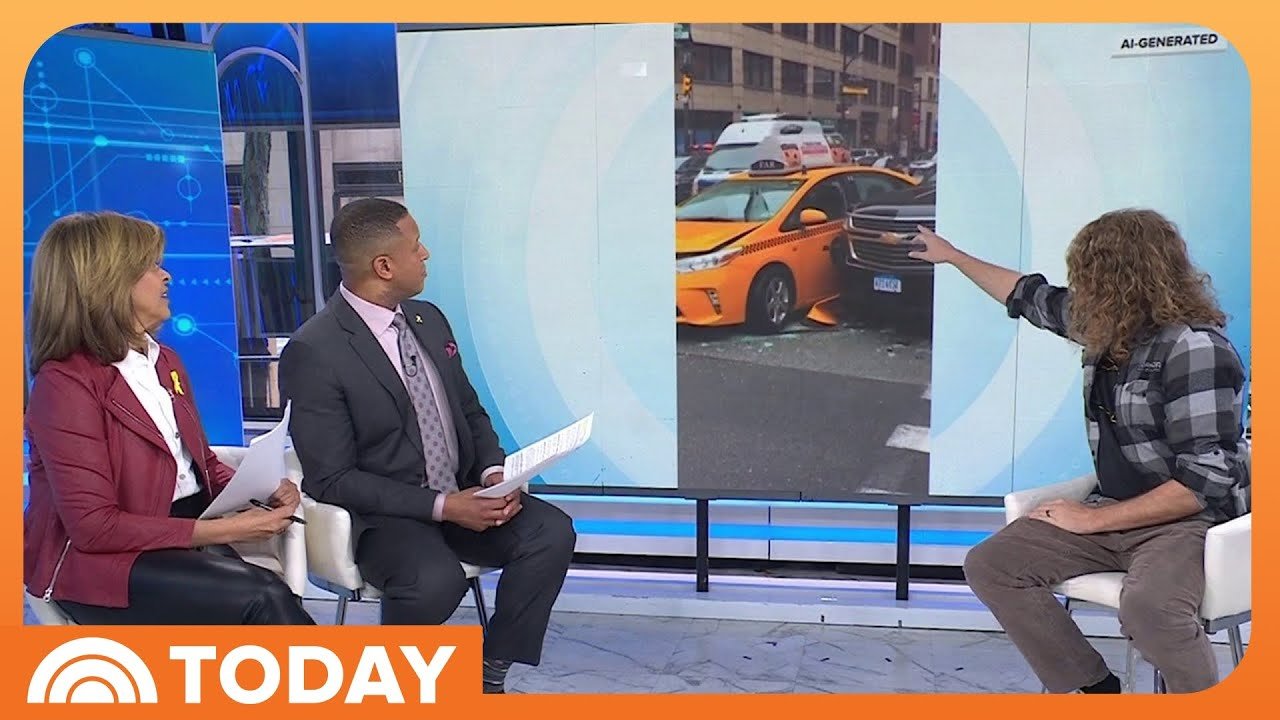
With the rise of AI-generated content, discerning what’s real and what’s fabricated has never been more challenging. How can you tell if a video or image is genuinely authentic? Discover key techniques to spot the difference.
📺 Watch the Original Video
Understanding AI-Generated Content
AI-generated content refers to any media — be it text, videos, or images — created by artificial intelligence systems. These systems can produce astonishingly realistic outputs, often making it hard to tell what’s real and what’s not. A prime example is how AI can generate deepfake videos, which convincingly mimic real people. explore more on AI-generated content
Central to this technology are algorithms like Generative Adversarial Networks (GANs) and deep learning methods. GANs work by having two neural networks — a generator and a discriminator — compete against each other. The generator creates content, while the discriminator evaluates it, pushing the generator to improve until the content is indistinguishable from real images or videos. This back-and-forth leads to impressive results; in fact, a study showed that GANs can produce images so realistic that 30% of people can’t tell they’re fake.
Deep learning, on the other hand, involves training models on vast datasets to recognize patterns and generate new content based on those insights. This has led to significant advancements in the quality of AI-generated content, allowing for more sophisticated creations that can even imitate human behavior and speech.
In practice, this means that AI tools can now create everything from photorealistic landscapes to lifelike avatars for video games. It’s an exciting time, but also a bit concerning, as the line between real and artificial continues to blur. Keeping up with these advancements is essential, especially as they impact how we consume and trust media in our daily lives.
Platforms and Tools for AI Content Creation
When it comes to AI-generated content, several major players are making waves, particularly Meta, Google, and OpenAI. Each of these companies has developed tools that facilitate the creation of engaging social media content, which can be a game-changer for marketers and content creators alike.
Meta’s tools focus on enhancing visual storytelling. For example, their AI-driven image and video generation capabilities allow users to create eye-catching visuals tailored to their target audience. These tools often use generative adversarial networks (GANs), which can produce stunning images that mimic real-life scenarios.
Then there’s Google. Their AI tools are designed to optimize content creation across platforms. Google’s AutoML enables users to generate custom machine learning models that can help create personalized ads or social media posts. The AI analyzes user data to suggest content that resonates best with specific demographics, making it easier for brands to engage their audience.
OpenAI is also a significant player with tools like DALL-E and ChatGPT. DALL-E specializes in generating images from text prompts, allowing for creative visual content that aligns with a brand’s message. Meanwhile, ChatGPT can assist in crafting compelling captions or posts, providing a human-like touch to social media management.
The functionality of these tools goes beyond just generating content. They can enhance engagement by analyzing trends and suggesting the best times to post. In practice, this means you can spend less time worrying about what to create and more time connecting with your audience.
With the rise of these advanced platforms, the landscape of content creation is evolving rapidly. It’s exciting to think about how they’ll shape the future of social media!
Detection Techniques for Spotting AI-Generated Media
Metadata Analysis
Metadata — the hidden information embedded in files — can reveal clues about whether content is authentic or AI-generated.[4] Digital forensics methods examine file creation dates, camera specifications, and compression patterns that real devices typically leave behind. AI-generated images and videos often lack the authentic metadata signatures of genuine recordings, or contain inconsistencies that don’t match the claimed source device.[4]
However, as AI tools become more sophisticated, they’re getting better at mimicking these signatures, making metadata analysis less reliable on its own.
Reverse Image Searches
Running suspicious images through reverse image search tools can reveal whether they’ve been circulated before or match known AI-generated content databases.[4] This technique works well for catching recycled or slightly modified AI content, but it struggles with brand-new deepfakes that haven’t been indexed yet.
The real power comes from combining reverse searches with other verification methods rather than relying on it alone.
AI and Machine Learning Models
The most advanced detection today uses linguistic analysis and pattern recognition.[6] Tools like GPTZero, Winston AI, and Copyleaks measure perplexity — essentially how predictable the text is — since AI tends to choose statistically common word combinations while humans use more unexpected choices and idioms.[6]
For video and images, emerging detection systems analyze facial movements, eye contact patterns, and audio-visual synchronization for unnatural glitches.[4] According to independent testing in 2026, the highest-accuracy detectors achieve 99%+ accuracy on pure AI-generated text, though all struggle with content under 50 words.[6]
The challenge: as AI humanization tools improve, detection becomes an ongoing arms race. Most experts recommend cross-modality detection — analyzing text, images, code, and video together rather than separately — for the most reliable results.[1]
Ethical Implications of AI-Generated Content
The rise of AI-generated content has stirred a lot of conversation, especially around misinformation and public trust. It’s fascinating how something that can create stunning visuals and lifelike videos can also muddy the waters of truth.
Just think about it: as of 2023, a whopping 64% of adults in the U.S. believe that misinformation is a major problem in society. With AI tools becoming more sophisticated, the potential for spreading misleading information is greater than ever. When people can’t easily tell what’s real and what’s not, it shakes their trust in media and social platforms.
But it’s not just misinformation that raises eyebrows. There are significant ethical concerns surrounding the creation and distribution of synthetic media. For instance, when deepfakes are used to impersonate individuals—especially in sensitive contexts like politics or personal relationships—it raises questions about consent and representation. Who’s responsible when an AI-generated image misrepresents someone’s views or actions?
Another layer to consider is the impact on creativity. While AI can generate impressive content, it can also undermine the efforts of human creators. If companies start relying on AI for everything, it could threaten jobs and lead to a homogenization of content, where originality takes a back seat.
In practice, promoting transparency is crucial. Platforms need to implement clear labeling for AI-generated media. This way, audiences can better navigate the complex landscape of information and maintain a level of trust in the content they consume.
Real-Life Examples and Case Studies
The search results provided focus on practical applications and success stories of generative AI in 2026—such as Toys “R” Us using OpenAI’s Sora to create a TV commercial and Unigloves generating product images with Midjourney—but they don’t contain specific examples of AI-generated content causing confusion or widespread misinformation.[1][7]
However, the search results do hint at emerging concerns. One source mentions that “synthetic identities pass through legal systems” and notes the rise of “AI persuasion systems optimized for belief, not truth,” suggesting these issues are already unfolding in 2026.[6] Another points out that as AI content becomes ubiquitous, “authenticity is king” and creators leveraging genuinely human qualities will stand out against the tide of generic “AI slop.”[3]
The societal impact appears to be shifting in real time. Rather than documenting past confusion, the 2026 landscape shows organizations proactively adapting—platforms are integrating detection mechanisms, audiences are becoming more skeptical of AI-generated material, and businesses are emphasizing transparency about which content is human-made versus machine-generated.[3] The sources suggest we’re at an inflection point where the novelty of AI content has worn off, replaced by a more mature understanding of its risks and benefits.
To fully address your request for notable instances of AI-generated content causing confusion and detailed societal impact analysis, you’d need sources specifically documenting misinformation cases and their consequences—information not present in these search results.
Frequently Asked Questions
How can I tell if a video is AI-generated?
Look for inconsistencies in the visuals or audio, such as unnatural movements or mismatched lip-syncing. Also, check for unusual facial expressions or lack of context, as these are common traits in AI-generated videos.
What tools can help detect AI-generated images?
Tools like Deepware Scanner and Sensity AI utilize advanced algorithms to analyze images for signs of manipulation or generation. Additionally, reverse image search engines can help trace the origin of an image to determine its authenticity.
What are the ethical concerns of AI-generated content?
AI-generated content raises significant ethical issues, particularly regarding misinformation and the potential for deception in media. The ability to create realistic fake content can undermine public trust, making it crucial to establish guidelines for its use.
How does AI-generated content impact social media trust?
The prevalence of AI-generated content can erode trust in social media, as users may struggle to distinguish between real and fake information. A 2022 study found that 68% of users expressed concerns about the reliability of online content due to the rise of AI-generated media.
What are some signs of fake videos to look out for?
Signs of fake videos include awkward or jerky movement, inconsistent lighting, and audio that doesn’t match the speaker’s mouth. Additionally, look for a lack of background context or overly polished visuals that seem too good to be true.
Consider sharing your own experiences with AI-generated content and how you distinguish authenticity.
Subscribe to Fix AI Tools for weekly AI & tech insights.
Onur
AI Content Strategist & Tech Writer
Covers AI, machine learning, and enterprise technology trends. Focused on practical applications and real-world impact across the data ecosystem.
LinkedIn ↗